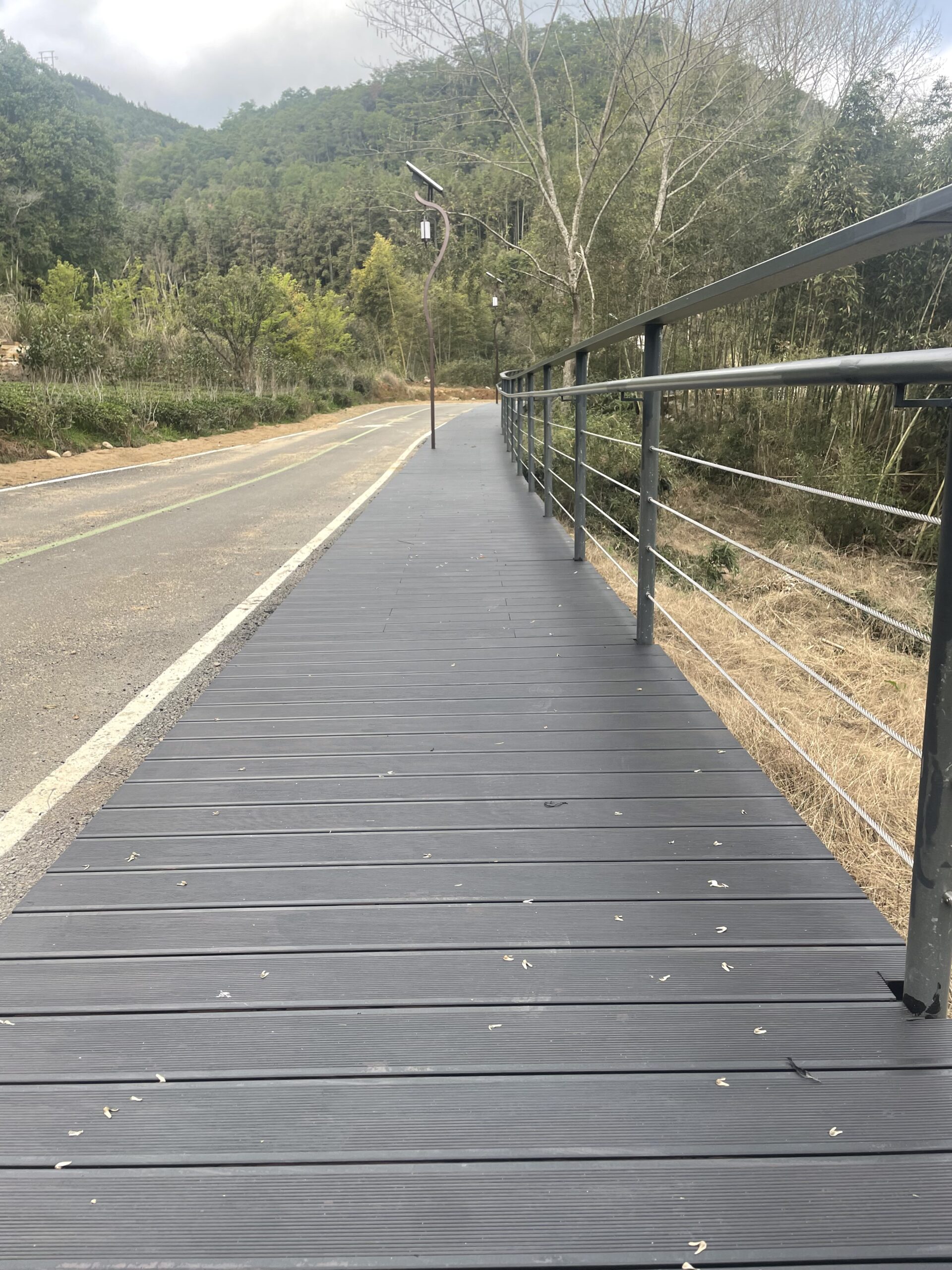
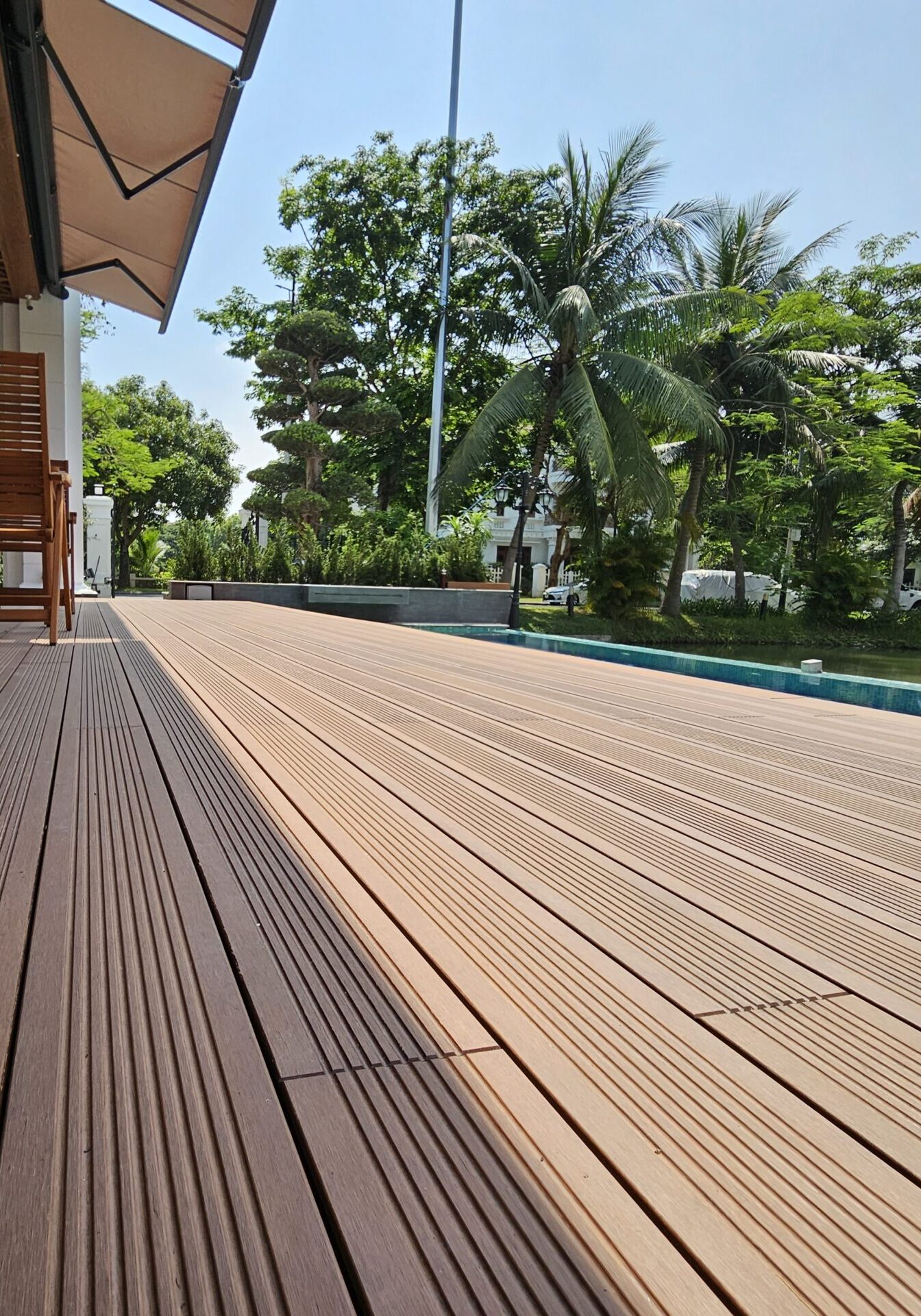
Home » Blog Page » Why Bamboo Decking Triumphs Over WPC?
Why Bamboo Decking Triumphs Over WPC?
Pure & Powerful Composition
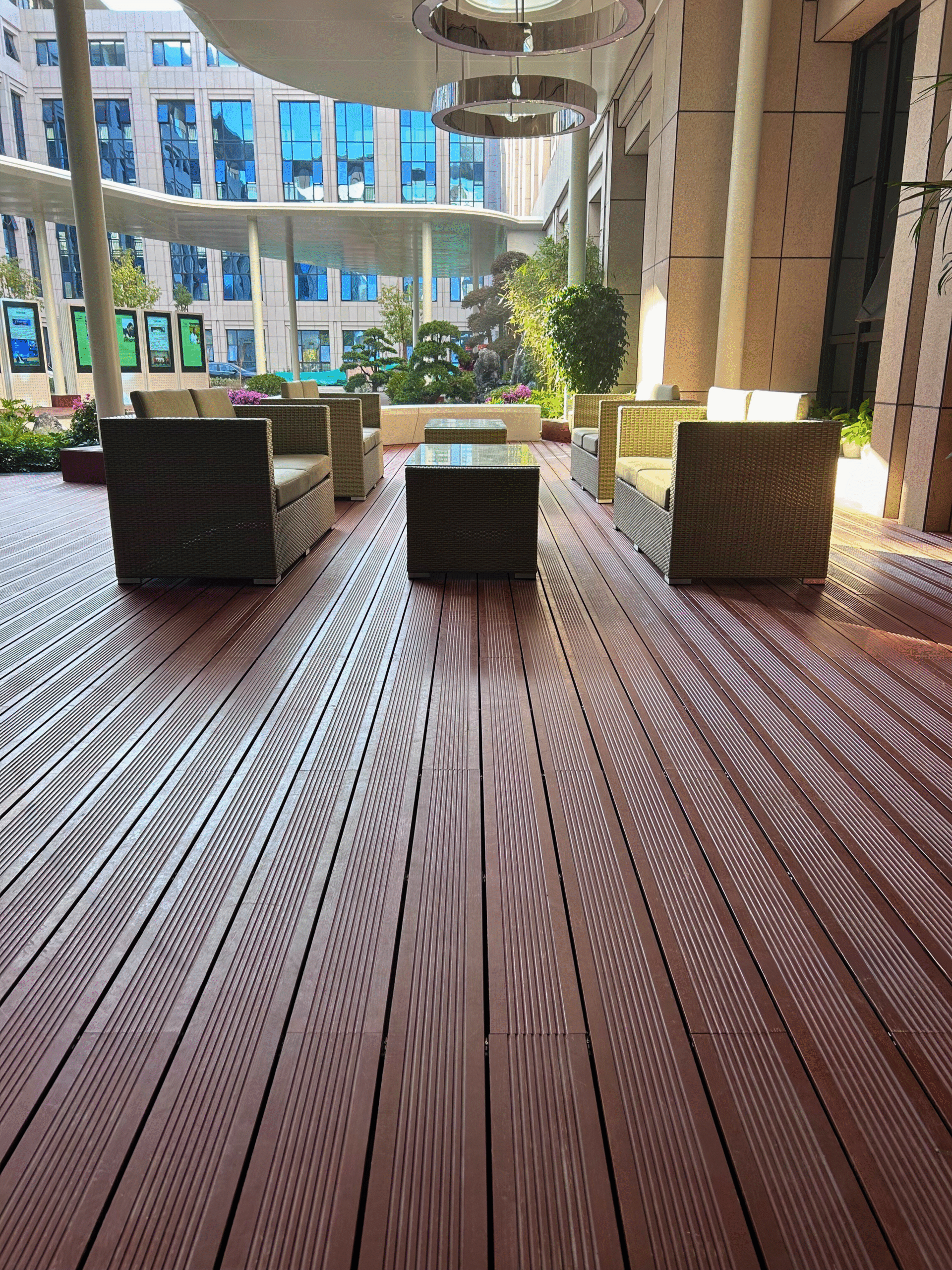
Bamboo decking is crafted from natural bamboo fibers, bound with pressure to create durable, eco-conscious boards. In contrast, WPC blends wood dust with plastic—a hybrid that trades off natural purity for synthetics.
Insightfully, bamboo stands out as a genuinely renewable material that draws down more carbon during its lifecycle than is emitted during its production.
Character Vs. Uniformity
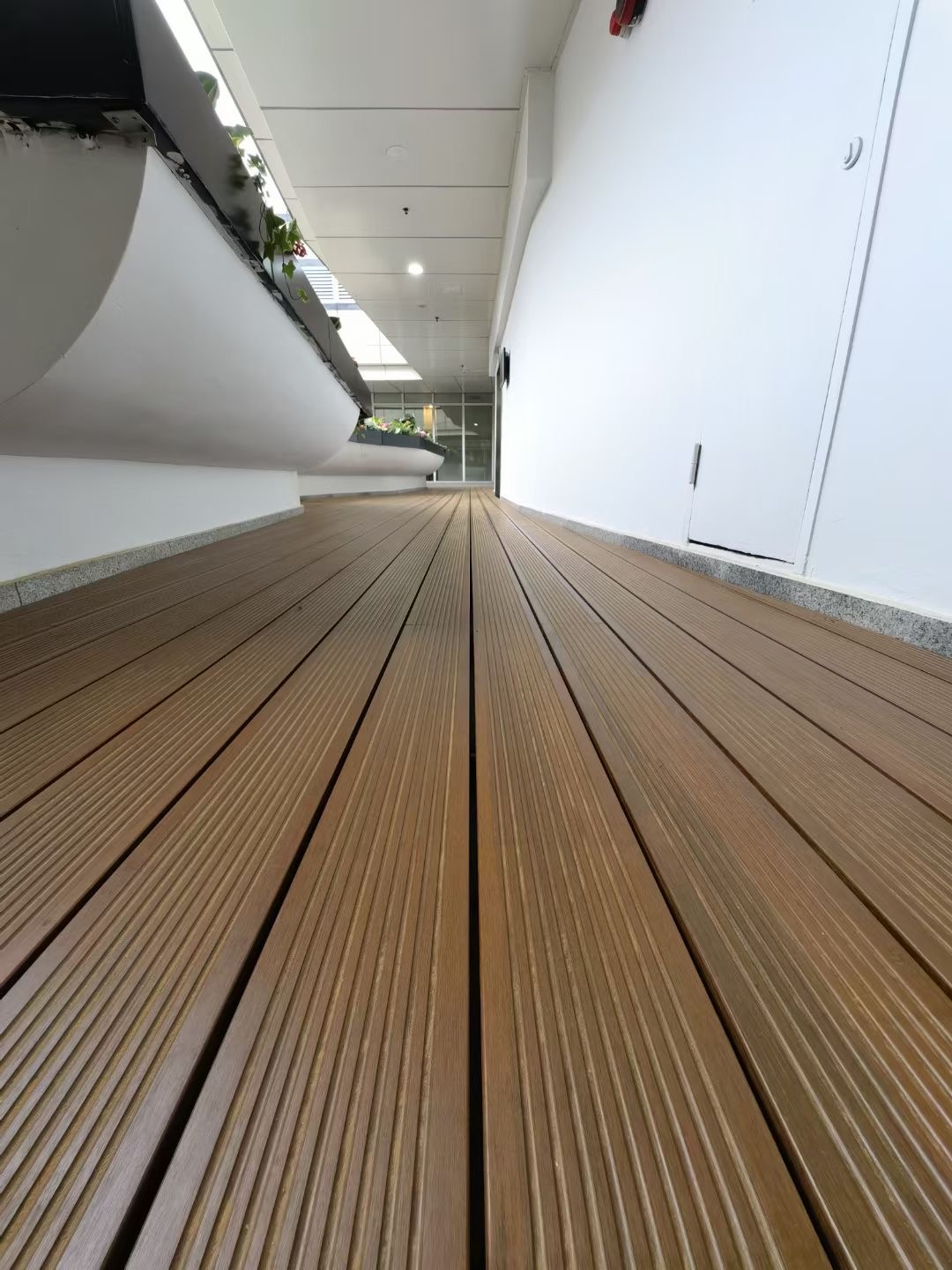
With its distinctive grain, warm hues, and organic variation, bamboo adds personality to outdoor spaces. WPC delivers consistency—great for uniformity but lacking natural nuance.
Durability Game: Natural vs. Engineered
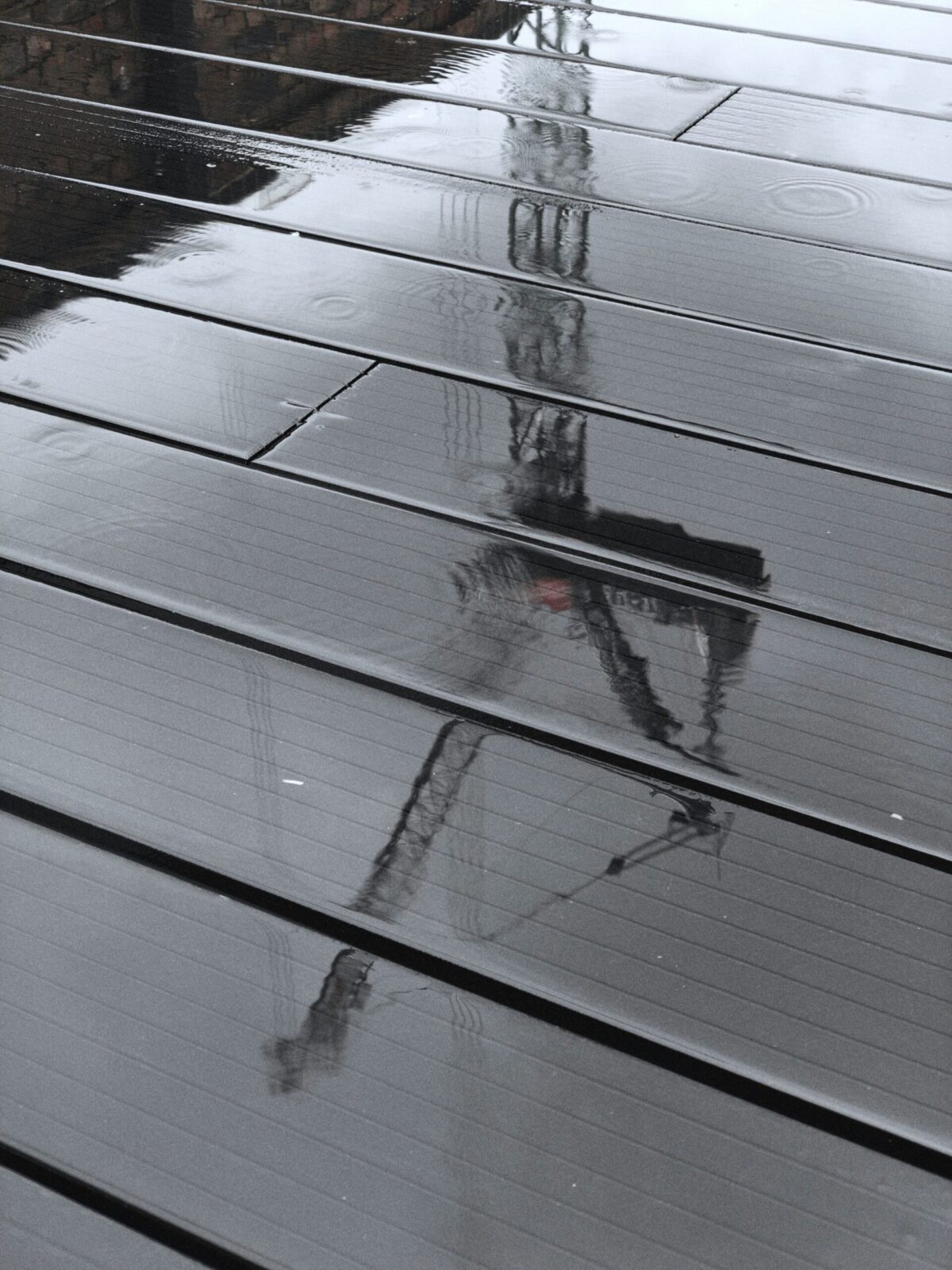
Bamboo is naturally tough—resisting decay and pests, and holding strong through harsh weather. WPC, while moisture-resistant, can soften and warp under intense heat due to its plastic makeup.
Maintenance: A Matter of Effort and Reward
Bamboo: Needs routine washing and periodic oiling to preserve its beauty and strength.
WPC: Basically wash-and-go—but simplicity may come at environmental cost in the long term.
Environmental Impact: Growing Greener Not Just ‘Greenwashed’
Bamboo’s rapid regrowth and carbon-storing ability make it a standout for sustainability. WPC may use recycled materials, but its plastic content means it isn’t easily degradable and contributes to long-term waste issues.
Installation: DIY Potential with Smart Design
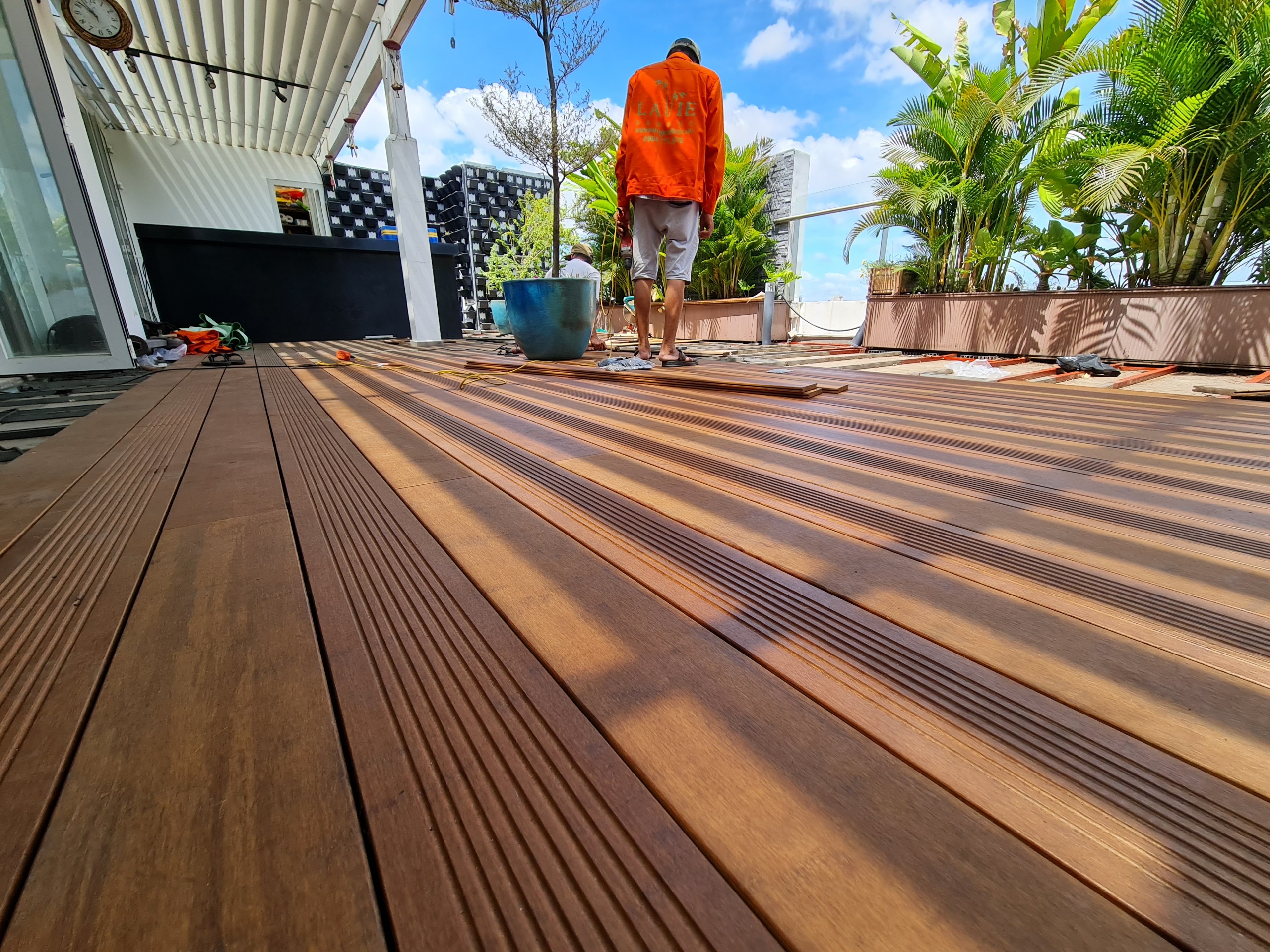
Bamboo uses familiar tongue-and-groove systems with fasteners for a hands-on install. WPC offers similar convenience through click-lock designs—but both are accessible for confident DIYers.
Underfoot Comfort: Cooler by Nature
Bamboo stays more comfortable underfoot in sunny conditions, while WPC boards, due to their plastic content, can trap heat—making them less barefoot-friendly.
End-of-Life: Closing the Loop
At end-of-life, bamboo is easier to recycle or repurpose—often re-sanded or re-oiled. WPC’s mixed materials pose serious recycling challenges, often ending up in landfill.
We use cookies to help make your experience on the Durabam Bamboo Decking website smoother and more useful, like remembering your preferences and how you use our site.
By continuing to browse, you agree to our use of cookies.